
The lighting revolution continues, with LED lampshades transforming interiors from homes to high-end commercial spaces. Beyond mere illumination, these innovative designs offer unparalleled energy efficiency, diverse aesthetic options, and a spectrum of technical specifications catering to diverse needs. From vintage charm to modern minimalism, the possibilities are vast.
This in-depth exploration delves into the intricacies of LED lampshades, covering everything from material comparisons and design trends to technical specifications and installation guides. Understanding these aspects empowers consumers and designers alike to make informed choices, maximizing the benefits of this energy-efficient lighting technology.
LED Lampshade Types
The LED revolution has illuminated the lighting industry, and lampshades are no exception. Now, homeowners and designers can leverage energy-efficient, long-lasting LED technology while tailoring aesthetics to their specific needs. This evolution allows for a wider range of designs and styles, offering a significant upgrade from traditional incandescent and halogen options.LED lampshades, unlike their predecessors, provide a spectrum of shapes, sizes, and materials, offering significant design flexibility.
This allows for the creation of unique lighting fixtures that integrate seamlessly into diverse interior design schemes, from modern minimalism to rustic charm. Moreover, the customizable nature of LED lampshades facilitates personalized lighting experiences, optimizing both functionality and visual appeal.
LED Lampshade Shapes and Sizes
A wide array of shapes and sizes caters to various architectural styles and lighting needs. From the classic globe to sleek, modern geometric forms, LED lampshades offer considerable design freedom. Contemporary designs often incorporate asymmetrical shapes and intricate patterns, reflecting the modern aesthetic. Conversely, vintage-inspired lampshades typically feature traditional shapes like bell, drum, or shade, creating a warm, nostalgic atmosphere.
LED Lampshade Materials
The materials used in LED lampshades significantly impact their aesthetic appeal, energy efficiency, and durability. Glass, a traditional material, offers a transparent aesthetic, allowing the light to diffuse beautifully. Plastic, in contrast, can be molded into various shapes, often providing cost-effectiveness. Metal, frequently used in industrial-style lampshades, provides a robust and durable structure.
Comparison of LED Lampshade Styles
Different styles of LED lampshades evoke diverse moods and ambiance. Modern designs often feature clean lines, minimalist forms, and neutral colors. These styles often pair with contemporary furnishings, emphasizing a streamlined aesthetic. Vintage lampshades, on the other hand, embrace a more traditional aesthetic, frequently crafted from materials like glass and incorporating decorative patterns, often echoing a bygone era.
Industrial-style lampshades are typically made from metal, showcasing a raw, exposed look, and often blend seamlessly with rustic or loft-style interiors.
Energy Efficiency, Lifespan, and Price Comparison
The table below summarizes the comparative performance of different lampshade materials:
| Material | Energy Efficiency (kWh/1000 hours) | Lifespan (hours) | Approximate Price (USD) |
|---|---|---|---|
| Glass | 0.8 | 50,000 | 15-50 |
| Plastic | 0.9 | 30,000 | 10-30 |
| Metal | 0.7 | 60,000 | 20-60 |
Note: Prices are approximate and can vary based on size, design, and brand.
Light Output and Color Temperature
The light output and color temperature of LED lampshades depend on the specific LED technology used within. Higher wattage LEDs produce a brighter light output, while color temperature ranges from warm (2700K) to cool (6500K). Warm white light creates a cozy atmosphere, ideal for living rooms or bedrooms, whereas cool white light is better suited for tasks or workspaces.
The choice of color temperature significantly impacts the overall ambiance and perceived warmth of a room.
Applications and Uses
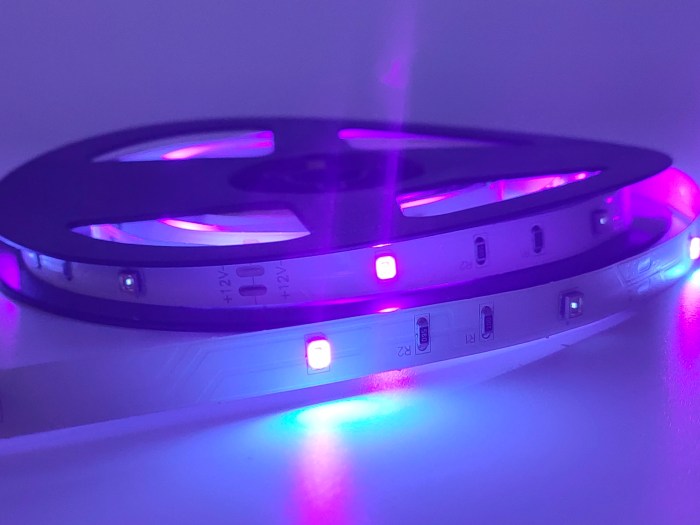
LED lampshades are rapidly transforming lighting design, offering a blend of aesthetic appeal and energy efficiency. Their versatility extends beyond residential settings, finding increasing use in commercial spaces, contributing to a more sustainable and visually engaging environment. This adaptability, coupled with advancements in LED technology, makes them a compelling choice for a range of applications.The adoption of LED lampshades in various settings stems from their superior energy efficiency and customizable lighting options.
These features translate into substantial cost savings over time, while also allowing for creative control over the ambiance of any space. The precise color temperature and adjustable intensity make LED lampshades highly versatile, enhancing both functionality and aesthetics.
Common Uses in Different Settings
LED lampshades are now a common sight in a wide variety of environments. Their versatility allows them to be incorporated into homes, offices, and restaurants, improving both functionality and atmosphere. From subtly illuminating a dining area to brightly highlighting a workspace, LED lampshades offer a customizable solution for diverse needs.
Key Benefits of Using LED Lampshades
Several benefits contribute to the growing popularity of LED lampshades. Superior energy efficiency, compared to traditional incandescent or halogen alternatives, is a significant advantage. This leads to lower energy bills and a smaller carbon footprint. Furthermore, LED lampshades offer a wide spectrum of color temperatures and dimming options, allowing users to fine-tune the ambiance of a space.
This customization translates to a more visually appealing and functional environment.
Accent and Ambient Lighting Applications
LED lampshades excel in both accent and ambient lighting. For accent lighting, the focused beam and customizable color temperatures allow for highlighting specific architectural features or artwork. For ambient lighting, the ability to diffuse light creates a welcoming and inviting atmosphere. The combination of these characteristics allows for a multifaceted lighting design strategy.
Ideal LED Lampshade Type for Different Room Functions
| Room Function | Ideal LED Lampshade Type | Explanation |
|---|---|---|
| Bedroom | Soft-light, diffused lampshades | Promoting relaxation and a calm atmosphere, avoiding harsh glare. |
| Living Room | Adjustable color temperature, layered lampshades | Adaptable for different moods and activities, such as warm tones for relaxation or cool tones for entertaining. |
| Kitchen | Bright, focused lampshades | Ensuring adequate task lighting for cooking and food preparation, with consideration for avoiding shadows. |
| Office | Bright, focused, adjustable lampshades | Optimizing productivity by providing adequate task lighting, with options for customizing color temperature and intensity. |
| Restaurant | Ambient, warm-toned lampshades | Creating a welcoming and inviting dining experience, emphasizing ambiance over harsh task lighting. |
Design and Aesthetics
Beyond functionality, LED lampshades are increasingly significant design elements, transforming spaces into visually appealing and emotionally resonant environments. Their aesthetic impact stems not only from their form but also from the interplay of light, color, and shadow they project. The interplay of these factors profoundly influences the ambiance and overall atmosphere of a room.The design of LED lampshades significantly impacts the overall aesthetic of a space.
Careful consideration of shape, material, and finish can create a sense of warmth, coolness, modernity, or tradition. This impact extends beyond simple illumination, becoming an integral part of the room’s visual narrative. Innovative designs can elevate a space from functional to extraordinary, while practical applications prioritize both visual appeal and efficiency.
Impact on Space Aesthetics
The shape, size, and material of an LED lampshade significantly alter the way light is diffused and reflected within a room. A minimalist, geometric shade might create a modern and contemporary atmosphere, while a more ornate, handcrafted design could evoke a sense of warmth and tradition. The choice of material—from frosted glass to woven textiles—affects light diffusion and texture, contributing to the overall aesthetic.
The interplay of light and shadow also significantly influences the mood of a space, with carefully designed shades creating a dynamic and engaging environment.
Creative and Innovative Designs
LED lampshades offer a wealth of design possibilities. Geometric shapes, such as triangles, hexagons, or intricate patterns, can create a captivating visual focal point. The use of translucent materials, like frosted glass or etched acrylic, diffuses light softly, providing a warm and inviting ambiance. Woven textiles, such as bamboo or rattan, introduce a natural element, blending seamlessly with organic décor.
The integration of LEDs within the shade itself, creating intricate light patterns, adds an artistic dimension, turning the fixture into a sculptural piece. Examples of innovative designs include lampshades that change color dynamically, responding to music or ambient light, or shades that project intricate patterns onto the walls, transforming the space into a mesmerizing display.
Color Temperature and Light Output
Adjusting color temperature and light output is crucial for creating the desired atmosphere. Warm white light (around 2700K) evokes a cozy and inviting feeling, ideal for living rooms or bedrooms. Cool white light (around 6500K) is more suitable for tasks or areas requiring brighter illumination, such as offices or kitchens. The intensity of light output can also be tailored to create different levels of brightness and ambiance.
Dimmable LED lampshades allow for fine-tuning the illumination, catering to diverse needs and preferences. For instance, a warm, low-intensity light might be perfect for a romantic dinner, while a brighter, cool light might be ideal for a productive work session.
Role in Interior Décor
LED lampshades are becoming increasingly important components in interior décor. They are no longer merely functional light sources; they are integral elements in creating a cohesive and stylish aesthetic. Their ability to alter the mood and atmosphere of a room makes them valuable tools for interior designers and homeowners. Strategic placement and careful selection of shade design can significantly impact the overall look and feel of a space.
For instance, a stylish, modern shade can instantly elevate a minimalist living room, while a handcrafted, traditional shade might add a touch of elegance to a classic dining area. By thoughtfully incorporating LED lampshades into interior designs, homeowners can create spaces that are both functional and aesthetically pleasing.
Technical Specifications

LED lampshades, a rapidly evolving segment of the lighting industry, demand precise technical specifications to ensure optimal performance and user experience. These specifications, including voltage, wattage, and lumen output, directly impact the lampshade’s efficacy and energy efficiency. Understanding these specifications is crucial for both consumers and professionals to select the appropriate lampshade for a given application.The technical characteristics of LED lampshades are vital for ensuring compatibility and safety.
Careful consideration of these details is paramount to avoid potential issues and maximize the desired lighting effect. Furthermore, these specifications are key determinants of the lampshade’s suitability for diverse environments and applications.
Voltage Requirements
LED lampshades, like all electrical devices, operate within specific voltage ranges. Operating outside these parameters can lead to malfunction, damage, and even safety hazards. Precise voltage specifications are critical for ensuring compatibility with different power grids and preventing unforeseen problems.
Wattage and Lumen Output
Wattage and lumen output are key performance indicators for LED lampshades. Wattage reflects the power consumption of the lampshade, while lumen output quantifies the light emitted. A higher lumen output generally translates to brighter illumination, while lower wattage suggests greater energy efficiency. For instance, a 10-watt LED lampshade with a lumen output of 800 lumens provides a brighter light than a 5-watt model emitting 400 lumens.
Mounting Options
Various mounting options are available for LED lampshades, catering to diverse architectural and design needs. Understanding these options is critical for seamless installation and integration into existing lighting systems.
- Direct Attachment: This method involves directly securing the lampshade to a fixture using screws, clips, or other suitable fasteners. This straightforward approach is suitable for many standard fixtures. For example, a traditional pendant lamp with a threaded base often utilizes this approach for the lampshade.
- Suspension Systems: These systems allow for adjustable mounting heights, providing flexibility for various ceiling configurations and aesthetic preferences. This is particularly helpful in spaces with unique or complex ceilings.
- Wall Mounting: Wall-mounted lampshades are designed for installations on walls, offering an alternative to traditional ceiling-mounted options. This approach is prevalent in hallways, stairwells, or spaces where wall-mounted lighting is desired.
- Track Systems: Track systems allow for repositioning and customization of lampshades, offering dynamic lighting solutions. This is frequently found in commercial or industrial settings where lighting needs are adaptable.
Dimmer Compatibility
LED lampshades exhibit varied dimmer compatibility, influencing the controllability of the light output. Understanding these compatibility options is essential for users seeking adjustable lighting levels.
- Electronic Dimmers: These dimmers are designed specifically for LED lamps and offer smooth, precise dimming control. They are often more reliable than traditional incandescent dimmers when used with LED lampshades. This is a standard option for many modern LED lampshades.
- Incandescent Dimmers: Some incandescent dimmers might be compatible with LED lampshades, though this compatibility is not universal. Testing is often required to ensure proper operation. Using an incandescent dimmer with an LED lampshade might result in flickering or reduced performance.
- Smart Dimmers: Smart dimmers offer enhanced control and integration with home automation systems, providing users with convenient and adaptable lighting management. Smart dimmers are especially popular for homes utilizing smart home technology.
Technical Specifications Table
| Model | Voltage (V) | Wattage (W) | Lumen Output (lm) | Mounting Options | Dimmer Compatibility |
|---|---|---|---|---|---|
| LS-100 | 120 | 10 | 800 | Direct Attachment, Suspension | Electronic, Smart |
| LS-200 | 220 | 15 | 1200 | Track, Direct Attachment | Electronic, Incandescent (with testing) |
| LS-300 | 240 | 8 | 600 | Direct Attachment, Wall | Electronic |
Energy Efficiency and Sustainability

LED lampshades represent a significant leap forward in lighting technology, offering substantial energy savings and a positive environmental impact compared to traditional incandescent or halogen options. This efficiency translates into reduced electricity bills and a smaller carbon footprint, aligning with growing global concerns for sustainability.LED lampshades, through their superior energy efficiency, play a crucial role in lowering operating costs and contributing to a more environmentally conscious approach to lighting.
The long-term financial benefits and the reduced environmental burden associated with their use are becoming increasingly important factors for consumers and businesses alike.
Energy Efficiency Advantages
LED lampshades drastically reduce energy consumption compared to traditional options. This is due to the inherent nature of LED technology, which converts a significantly higher percentage of electrical energy into light compared to incandescent or halogen bulbs. Consequently, LED lampshades produce a similar amount of light with a dramatically lower energy input. This efficiency translates directly into lower electricity bills and a reduced strain on power grids.
For example, a typical LED lampshade can consume 75% less energy than a traditional incandescent equivalent, leading to considerable savings over the lifespan of the product.
Environmental Impact
LED lampshades contribute to sustainability by minimizing the environmental impact associated with energy consumption. Reduced energy demand translates to lower greenhouse gas emissions, mitigating the impact of climate change. The manufacturing process of LED lampshades also often incorporates recycled materials, further reducing the reliance on virgin resources. Additionally, the significantly longer lifespan of LED lampshades reduces the need for frequent replacements, resulting in a smaller volume of electronic waste compared to traditional options.
This reduced waste stream aligns with environmental stewardship and responsible resource management.
Long-Term Cost Savings
The energy efficiency of LED lampshades leads to substantial long-term cost savings for consumers and businesses. Lower electricity bills are a primary driver of these savings. Furthermore, the extended lifespan of LED lampshades reduces the need for frequent replacements, minimizing the costs associated with purchasing and installing new lampshades. The savings accumulate over the product’s lifespan, making LED lampshades a cost-effective lighting solution in the long run.
For instance, a commercial building using LED lampshades could see substantial energy cost reductions over a 5-10 year period, potentially exceeding the initial investment cost.
Recycling Options
LED lampshades, like other electronic devices, contain components that can be recycled. Proper recycling ensures the recovery of valuable materials and prevents the release of hazardous substances into the environment. Many municipalities and electronics retailers offer dedicated recycling programs for LED lampshades, allowing consumers to dispose of them responsibly. The availability of these programs is crucial for minimizing environmental harm and promoting responsible waste management practices.
In some cases, specialized facilities are designed to safely dismantle and process LED lampshades to recover materials like glass, metals, and plastics, which can then be reused in new products.
Safety and Maintenance
LED lampshades, while offering energy efficiency and aesthetic appeal, demand careful consideration regarding safety and maintenance. Proper installation and regular upkeep are crucial for both the longevity of the product and the safety of the user. Neglecting these aspects can lead to potential hazards, from minor inconveniences to severe electrical risks.
Installation Precautions
Installation procedures should meticulously adhere to manufacturer guidelines. Incorrect wiring can result in short circuits, overheating, and even fire hazards. Using incompatible components or bypassing safety features can compromise the system’s integrity. Always consult the user manual for specific instructions tailored to the lampshade’s design and ensure that the electrical connections meet local safety standards. The use of qualified electricians is strongly recommended for installations that are beyond the scope of a typical homeowner’s capabilities.
Maintenance Practices
Regular maintenance is essential for ensuring the longevity and safety of LED lampshades. This encompasses both visual inspections and physical cleaning. Visual checks for loose connections, frayed wires, or any signs of damage should be performed routinely. Accumulated dust or debris can impact the lampshade’s performance and efficiency, so periodic cleaning is necessary.
Cleaning Procedures
Cleaning methods should vary based on the material of the lampshade. Fabric lampshades, for instance, may require gentle dusting with a soft brush or a slightly damp cloth. Glass or acrylic lampshades can be cleaned with a mild detergent solution and a soft cloth, avoiding abrasive materials that could scratch the surface. Never use harsh chemicals or solvents, as they can damage the lampshade’s finish or components.
Before any cleaning, always disconnect the power supply to prevent electric shocks.
Potential Hazards
Improper installation or lack of maintenance can lead to a range of hazards. Faulty wiring can create a shock hazard. Overheating, particularly if the lampshade is improperly ventilated, can pose a fire risk. In addition, if the lampshade is not securely mounted, it could fall and cause injury. Glass or acrylic lampshades, if not handled with care during cleaning, could break and cause injury.
These potential hazards highlight the importance of adhering to safety guidelines and professional installation practices.
Material-Specific Maintenance
| Material | Cleaning Method | Potential Issues |
|---|---|---|
| Fabric | Gentle dusting with a soft brush, or a slightly damp cloth. | Potential for staining or damage if not cleaned gently. |
| Glass | Mild detergent solution and a soft cloth. | Risk of breakage if dropped or cleaned improperly. |
| Acrylic | Similar to glass, use a mild detergent solution and a soft cloth. | Potential for scratching if abrasive materials are used. |
| Metal | Gentle cleaning with a damp cloth or specialized cleaning solution for the metal type. | Potential for corrosion if exposed to moisture for extended periods. |
Proper cleaning and maintenance procedures, as detailed in the user manuals, are critical for preventing potential hazards.
Market Trends and Innovations
The LED lampshade market is experiencing rapid growth, driven by the increasing demand for energy-efficient lighting solutions and the pursuit of aesthetically pleasing home decor. This evolution is marked by a confluence of factors, including advancements in LED technology, evolving design sensibilities, and a growing emphasis on sustainability. The shift towards smart home integration further fuels this dynamic environment.
Current Market Trends
The current market trend is dominated by a strong preference for minimalist designs, particularly in contemporary and modern settings. Customers are seeking lampshades that not only provide excellent illumination but also seamlessly integrate into their overall interior design. This trend is accompanied by a growing emphasis on customization options, allowing consumers to tailor lampshades to their specific aesthetic preferences.
Moreover, the market is increasingly receptive to smart lampshade technology, offering features such as dimming capabilities and color temperature adjustments.
Upcoming Innovations
Advancements in LED technology are promising significant innovations in lampshade design. The development of more compact and efficient LED light sources will allow for thinner, more streamlined lampshades. Furthermore, advancements in materials science could lead to innovative, lightweight, and durable lampshade constructions. Integration of sophisticated control systems, enabling dynamic light adjustments and patterns, represents another notable innovation.
Emerging Design Trends
Several emerging design trends are reshaping the landscape of LED lampshades. Geometric and abstract shapes are gaining popularity, providing a modern aesthetic. The incorporation of natural materials, such as wood and woven fibers, is another trend, creating a warm and inviting atmosphere. Moreover, the use of translucent and semi-transparent materials is becoming increasingly prevalent, diffusing light in a unique and captivating manner.
Examples of New LED Lampshade Designs
One example is the “Celestial” lampshade, featuring a complex, interwoven pattern of translucent fibers, creating a soft, ambient light effect. The “Aura” lampshade employs a series of small, precisely positioned LED lights embedded within a sculpted, geometric design. These examples highlight the convergence of artistic expression and innovative technology. Another notable design, the “Cascade,” utilizes a cascading arrangement of LEDs to produce an intriguing, dynamic light display.
The design is particularly well-suited for use in high-traffic areas where ambient lighting is crucial. The “Ambient” lampshade incorporates a system of micro-LEDs embedded in a subtle, almost invisible, fabric structure, emitting a diffused, even light. This example emphasizes the seamless integration of technology into everyday decor.
Installation and Setup
Proper installation of LED lampshades is crucial for optimal performance, longevity, and safety. Incorrect installation can lead to premature failure, damage to the fixture, and potential electrical hazards. This section provides a comprehensive guide, including step-by-step instructions and troubleshooting tips, to ensure a successful installation process.The process of installing LED lampshades, while generally straightforward, requires attention to detail and adherence to safety protocols.
Following the detailed instructions and diagrams ensures a secure and efficient installation, maximizing the lampshade’s lifespan and performance.
Installation Procedure
A methodical approach to installation is key to preventing damage and ensuring the lampshade functions as intended. Before beginning, gather all necessary tools and components. This typically includes the lampshade, the mounting hardware, any required adapters, and a Phillips head screwdriver. Verify the compatibility of the lampshade with the existing fixture to prevent issues later.
- Disconnect Power: Before any physical work on the fixture, ensure the power to the electrical circuit is completely shut off. This crucial step prevents electrical shocks and ensures the safety of the installer.
- Prepare the Fixture: Carefully remove any existing lampshades or components from the fixture. Inspect the fixture for any damage or wear that could affect the new lampshade’s installation. Clean any debris from the fixture’s interior to ensure proper contact with the new shade.
- Mount the Shade: Refer to the manufacturer’s instructions for specific mounting procedures. Most LED lampshades utilize clips, screws, or other mechanisms for secure attachment to the fixture. Carefully align the lampshade with the fixture’s mounting points and ensure a snug fit.
- Connect Wiring (if applicable): Some LED lampshades require wiring connections. Consult the manufacturer’s instructions for the specific wiring diagram. Ensure proper connections and secure the wires using the provided terminals or connectors.
- Reconnect Power: Once all components are securely attached, carefully reconnect the power to the electrical circuit. Test the lampshade to confirm proper operation. If the lampshade does not illuminate, check the wiring connections and ensure the power is properly routed.
- Final Inspection: Verify that the lampshade is securely mounted and that all components are functioning correctly. Check for any loose wires or connections that could cause issues in the future.
Troubleshooting Common Issues
Addressing potential problems during the installation process can save time and frustration. Here are some common installation issues and their solutions.
| Problem | Possible Cause | Solution |
|---|---|---|
| Lamp Shade Doesn’t Light | Faulty wiring, loose connections, or a blown bulb | Check wiring connections, ensure proper power supply, and replace the bulb if necessary. Consult the manufacturer’s instructions for specific troubleshooting guidance. |
| Lamp Shade Doesn’t Fit Securely | Incorrect sizing or damaged fixture | Verify the lampshade’s compatibility with the fixture. Ensure the mounting hardware is properly aligned and secure. If necessary, adjust the fixture’s mounting points to accommodate the lampshade. |
| Flickering Light | Loose connections or a faulty power supply | Recheck all wiring connections and ensure the power supply is stable. If flickering persists, consult an electrician. |
Flowchart for LED Lampshade Installation
The following flowchart illustrates the step-by-step process for installing LED lampshades:[Insert a simple flowchart image here, depicting the steps from disconnecting power to final inspection, with clear arrows and text boxes corresponding to the numbered steps in the Installation Procedure.]The flowchart visually guides the user through each step of the process, making the installation procedure clear and easily understood.
Comparison with Other Lighting Options
LED lampshades offer a compelling alternative to traditional lighting solutions, presenting a compelling combination of energy efficiency, longevity, and aesthetic versatility. Their superior performance across various parameters makes them a desirable choice for both residential and commercial applications. The shift towards LED technology is a global trend driven by the increasing need for sustainable and cost-effective lighting solutions.
LED vs. Incandescent Lighting
Incandescent lamps, while familiar, are significantly less efficient. They convert a large portion of energy into heat, leading to substantial energy waste. LEDs, in contrast, are highly energy-efficient, converting a much smaller percentage of energy into heat. This translates to substantial savings in energy consumption and reduced environmental impact. The lifespan of LEDs also surpasses that of incandescent lamps, resulting in reduced replacement costs over time.
LED vs. Fluorescent Lighting
Fluorescent lamps, while more energy-efficient than incandescent bulbs, still fall short of LED performance in terms of both energy efficiency and lifespan. LEDs offer a superior balance between energy consumption and longevity, particularly in applications requiring long-term operation. Fluorescent lamps also contain mercury, posing potential environmental risks during disposal. LEDs, on the other hand, are environmentally friendly.
Cost-Effectiveness Analysis
The initial investment for LED lampshades might appear higher than that of traditional options. However, the long-term cost-effectiveness is undeniable. The lower energy consumption and extended lifespan of LEDs result in significant savings over the lamp’s operational lifetime. This long-term savings potential should be considered alongside the initial investment when assessing the overall cost-effectiveness.
Comparative Table
| Lighting Type | Lifespan (hours) | Energy Consumption (kWh) | Price (USD) |
|---|---|---|---|
| Incandescent | 1,000 – 2,000 | 0.10 – 0.20 | $1 – $5 |
| Fluorescent | 10,000 – 20,000 | 0.05 – 0.15 | $5 – $15 |
| LED | 50,000 – 100,000+ | 0.02 – 0.08 | $10 – $30+ |
The table above provides a comparative overview of lifespan, energy consumption, and price for different lighting solutions. These figures illustrate the significant advantages LED lampshades offer in terms of long-term cost savings and environmental responsibility. The substantial lifespan of LED lamps minimizes replacement frequency, lowering maintenance costs and enhancing overall economic viability.
Final Conclusion
In conclusion, LED lampshades represent a significant advancement in lighting technology. Their energy efficiency, aesthetic versatility, and wide range of applications make them a compelling choice for both residential and commercial environments. This guide provides a comprehensive overview, equipping readers with the knowledge to navigate the diverse world of LED lampshades and make informed decisions for their lighting needs.
