
Japanese plant propagation stations, steeped in centuries of tradition, offer a fascinating window into horticultural artistry. These meticulously designed spaces are more than just nurseries; they’re microcosms of meticulous care and respect for nature, showcasing techniques passed down through generations. From the selection of optimal plant species to the nuanced control of microclimates, the propagation process is a testament to the enduring wisdom of Japanese horticultural practices.
This exploration delves into the intricate details of these stations, from the historical context and design principles to the modern applications of these age-old methods. We’ll examine the propagation techniques, the materials used, and the environmental considerations that contribute to the success of these unique stations.
Introduction to Japanese Plant Propagation Stations
Japanese plant propagation stations, often found in nurseries and botanical gardens across the archipelago, are meticulously designed spaces dedicated to the cultivation and propagation of a diverse range of plant life. These stations represent a unique blend of traditional horticultural practices and modern scientific techniques, reflecting centuries of Japanese appreciation for nature and the meticulous cultivation of plants. Their presence is a testament to the country’s enduring commitment to both aesthetics and practical plant science.These stations are more than just facilities; they are living laboratories, where the careful cloning and multiplication of rare and valuable plant species take place.
They demonstrate a deep respect for the environment and a commitment to sustainable practices, as propagation often involves methods that minimize environmental impact. The design and implementation of these stations often incorporates local materials and traditional building methods, further highlighting the cultural significance of these spaces.
Historical Context and Cultural Significance
The history of Japanese plant propagation is deeply intertwined with the country’s cultural and aesthetic values. The meticulous cultivation of bonsai, a miniature landscape art form, has influenced the development of propagation techniques. For centuries, Japanese gardeners have focused on precise methods of propagation, seeking to emulate nature’s intricate designs. This tradition, coupled with a strong reverence for nature, has led to the creation of specialized propagation stations that reflect both scientific rigor and artistic sensibilities.
Typical Design Elements and Features
These stations are often characterized by carefully considered design elements that optimize the environment for plant growth. Sunlight control, humidity regulation, and temperature maintenance are crucial aspects, often achieved through the use of shading structures, misting systems, and specialized heating/cooling mechanisms. The layout of the station is typically organized to facilitate efficient workflow and optimal plant growth. This can involve the use of benches, trays, and other specialized equipment, often crafted from sustainable and locally sourced materials.
Examples include bamboo structures for shade and humidity control, or the use of natural materials for shading, promoting the integration of the station into the surrounding landscape.
Common Plant Species Propagated
Japanese propagation stations serve as crucial hubs for the propagation of a diverse range of plant species, including many native Japanese varieties. Ornamental trees, flowering shrubs, and medicinal plants are frequently cultivated and multiplied. Beyond native species, the stations also house propagation of rare or endangered plant species. These efforts contribute to the conservation and preservation of valuable genetic resources.
Furthermore, these stations often play a role in the introduction and cultivation of new plant varieties.
Propagation Techniques Used
Traditional Japanese plant propagation stations leverage a rich array of techniques, often passed down through generations. These methods, while seemingly rudimentary, showcase a deep understanding of plant biology and environmental control, resulting in exceptional plant growth and high-quality propagation. These stations often prioritize the preservation of unique varieties and heirloom plants, ensuring their survival for future generations.Traditional Japanese propagation methods, while distinct from modern techniques, share common goals: high success rates, plant health, and the preservation of genetic diversity.
The emphasis on sustainable practices and meticulous attention to detail distinguishes these methods, ensuring the longevity of the plant varieties and the associated knowledge.
Cuttings
The practice of taking cuttings is a cornerstone of Japanese propagation. This method involves removing a portion of a plant, typically a stem or leaf, and encouraging it to develop roots and grow into a new plant. Different plant types require specific approaches to maximize success. For instance, softwood cuttings are commonly used for herbaceous plants, while hardwood cuttings are better suited for woody plants.
Precise timing and careful handling of the cuttings are critical for optimal results. Traditional methods often involve burying the cuttings in a mixture of soil and sand, maintaining a humid environment to stimulate root growth.
Grafting
Grafting, a technique used to combine desirable traits from two different plants, is also prevalent in Japanese propagation stations. This involves joining a scion (a piece of the desired plant) to a rootstock (a plant with established roots). The joining is typically done with precision tools, ensuring a strong and seamless union. This method allows for the rapid multiplication of specific plant varieties with desired traits, such as fruit size, disease resistance, or growth habit.
The selection of compatible rootstock and scion varieties is essential for successful grafting.
Layering
Layering is another technique that involves inducing root formation on a stem while it is still attached to the parent plant. This method is frequently used to propagate plants that are difficult to root from cuttings. In Japanese techniques, various layering methods are employed, including air layering, where a section of stem is wounded and covered with a moist medium to stimulate root growth, and mound layering, where the lower stem of the plant is covered with soil to promote rooting.
This method is a crucial component for propagating certain woody plants and vines.
Tissue Culture
While tissue culture is a more modern method, its principles are now often integrated into traditional Japanese propagation stations. This technique involves growing plants from small plant tissues, such as stem or leaf segments, in a sterile environment. Tissue culture offers advantages like rapid propagation and the ability to produce disease-free plants. Traditional stations are now adopting aspects of tissue culture, such as sterilizing equipment and growing media, to improve propagation efficiency.
Comparison with Modern Methods
Modern propagation methods often utilize advanced technologies like controlled environment agriculture (CEA) systems. These systems allow for precise control over environmental factors such as temperature, humidity, and light, leading to higher yields and faster propagation cycles. Traditional methods prioritize sustainable practices, often using locally sourced materials and minimal chemicals.
Tools and Equipment
Traditional Japanese plant propagation stations rely on a range of specialized tools. Sharp knives and pruners are essential for making clean cuts, while various containers and media, such as carefully prepared soil mixtures, are used for rooting cuttings and layering. Tools and equipment are meticulously maintained to ensure cleanliness and optimal performance, critical for preventing diseases and maximizing plant health.
Environmental Control
Maintaining a suitable microclimate is essential in traditional Japanese propagation stations. The stations often utilize techniques to regulate humidity, temperature, and light exposure. These stations often employ natural methods, such as shading or strategically placing plants to control light exposure and regulate temperature. These techniques ensure that the plants receive the optimal conditions for growth and development.
Materials and Resources
Japanese plant propagation stations, crucial for nurturing delicate seedlings and maximizing horticultural output, require a carefully curated selection of materials and resources. These stations offer a controlled environment, allowing for precise control over crucial elements like moisture, temperature, and light exposure, thereby maximizing success rates in propagation. Optimizing these factors is key to successful propagation, and the choice of materials significantly impacts the process.
Common Construction Materials
The construction of Japanese plant propagation stations often leverages readily available and sustainable materials. Wood, typically treated for longevity and resistance to decay, forms the framework of the station. Lightweight yet durable materials, such as bamboo or recycled plastics, are also used for specific components. The selection of materials hinges on factors such as cost, availability, and the specific needs of the propagation process.
Glass or transparent plastic sheeting often covers the station to facilitate controlled light exposure.
Soil and Fertilizer Considerations
The choice of soil is paramount for optimal root development. Well-draining mixes are preferred to prevent waterlogging, a common issue that can lead to root rot. A blend of peat moss, perlite, and vermiculite is frequently employed, providing a porous structure that facilitates oxygenation. Fertilizers are carefully selected to support the growth of seedlings without overwhelming them.
Slow-release formulas are often favored to ensure a steady supply of nutrients throughout the propagation period. Organic fertilizers, derived from natural sources, are increasingly popular due to their environmental friendliness and balanced nutrient profile.
Recommended Plants for Propagation
Numerous plant species thrive in the controlled environment of a Japanese propagation station. Popular choices include various types of orchids, ferns, and succulents. The precise selection depends on the specific characteristics of the propagation station, as well as the environmental parameters being controlled. Specific varieties of begonias, and other flowering plants, are also frequently chosen for propagation in these stations.
The success rate is influenced by the species’ specific requirements for light, humidity, and temperature.
Comparison of Propagation Mediums
| Propagation Medium | Suitability for (Examples) | Advantages | Disadvantages |
|---|---|---|---|
| Peat Moss | Orchids, ferns, and some seedlings | Excellent water retention, affordable | Can compact and become dense, potential for fungal diseases if not well-managed |
| Perlite | Succulents, cacti, and root cuttings | Excellent drainage, lightweight, relatively sterile | Low water retention, needs regular moisture monitoring |
| Vermiculite | Many plants, particularly those sensitive to compaction | Good water retention, good aeration, retains nutrients well | Can become dense if not well-mixed with other mediums, can retain too much moisture |
| Coir | A wide range of plants, including orchids and ferns | Environmentally friendly, excellent water retention, cost-effective | Can compact if not properly mixed, requires regular monitoring for moisture |
This table highlights the strengths and weaknesses of different propagation mediums, aiding in the selection of the most appropriate medium for specific plant types. Careful consideration of the plant’s needs and the characteristics of each medium is crucial for successful propagation.
Environmental Considerations

Japanese plant propagation stations meticulously control microclimates to optimize growth conditions, mirroring the ideal environments plants experience in nature. These controlled environments allow for consistent propagation throughout the year, regardless of external weather fluctuations. This precise control is crucial for the success of commercial propagation and the preservation of rare plant varieties.These stations are designed to replicate natural conditions as closely as possible, with adjustments made to mimic specific microclimates conducive to the target plant species.
This approach allows growers to precisely manage factors like humidity, temperature, and light exposure to promote healthy seedling development.
Microclimate Replication
Japanese propagation stations often create microclimates that mimic the specific environments where target plants naturally thrive. These microclimates are carefully designed to accommodate the needs of the plant species, providing a nurturing environment for growth. For instance, orchids, native to tropical regions, require high humidity and consistent warmth, which are precisely replicated within the station.
Humidity and Temperature Control
Precise humidity and temperature control are paramount to successful propagation. These stations employ various methods, such as humidifiers, dehumidifiers, and temperature-regulating systems, to maintain the ideal conditions for each plant species. For example, propagation stations for succulents, accustomed to arid conditions, would maintain low humidity and a specific temperature range to prevent fungal diseases.
Role of Natural Light and Ventilation
Natural light and ventilation play a critical role in healthy plant growth within the stations. Many propagation stations incorporate adjustable lighting systems that mimic the intensity and spectrum of natural sunlight. The stations also carefully manage airflow to prevent the buildup of moisture and pathogens, crucial for maintaining the health of seedlings.
Seasonal Impact on Propagation
Seasonal changes impact the propagation activities within the stations. For instance, during the colder months, supplemental heating might be necessary to maintain optimal temperatures for sensitive plants. Likewise, during the summer months, increased ventilation and adjustments to shading might be required to prevent overheating. The seasonal variations necessitate careful monitoring and adjustment of environmental parameters within the propagation stations to ensure consistent propagation throughout the year.
Maintenance and Care Practices
Japanese plant propagation stations require meticulous care to ensure optimal growth and health of the cuttings. Proper maintenance routines, proactive monitoring, and effective pest and disease control are critical for successful propagation. These practices minimize stress on the delicate plants, maximizing their chances of successful rooting and development.Maintaining a consistent environment is paramount in these stations. Precise temperature, humidity, and light levels are crucial for successful propagation, and deviations can lead to stunted growth or even death.
Thorough documentation of these conditions and their impact on plant health is essential for ongoing improvement of propagation procedures.
Routine Maintenance Tasks
Consistent maintenance is key to maintaining a healthy environment for plant propagation. Regular cleaning, inspection, and adjustments to environmental controls are crucial. This includes cleaning propagation trays and tools to prevent the spread of pathogens, ensuring adequate watering, and maintaining appropriate humidity levels.
Monitoring Plant Health
Regular observation of plant health is critical for early detection of issues. Visual inspections, including checking for signs of wilting, discoloration, root development, and pest infestations, are essential. The use of consistent monitoring protocols, including daily or twice-daily checks, ensures that any potential problems are identified promptly.
Pest and Disease Control
Proactive pest and disease control strategies are vital for preventing propagation failures. Implementing preventative measures, such as sanitation protocols, pest-repellent strategies, and the use of natural pest control agents, minimizes the risk of widespread infestations. Early detection and targeted treatment are essential for effective control, limiting the damage to the propagating plants.
Best Practices for Pest and Disease Control
Preventing pest and disease infestations is preferable to treatment. Maintaining a clean propagation station environment, regular inspections for early signs of pests or diseases, and the use of appropriate preventative measures are key to minimizing the risks. Implementing a routine schedule for monitoring and treatment ensures proactive management and minimizes losses. For instance, using sticky traps or pheromone traps can detect and deter pests before they cause significant damage.
Weekly Maintenance Schedule
| Day | Task | Details |
|---|---|---|
| Monday | Watering and Humidity Check | Inspect watering levels and adjust humidity as needed. Document any discrepancies. |
| Tuesday | Visual Inspection | Thoroughly examine all plants for signs of stress, pest infestations, or disease. Document observations. |
| Wednesday | Cleaning and Sanitization | Clean propagation trays, tools, and surfaces with a suitable disinfectant. |
| Thursday | Environmental Control Adjustment | Adjust temperature and humidity as required, based on previous observations and monitoring. |
| Friday | Pest Trap Check | Inspect sticky traps and pheromone traps for pest presence. Take action if needed. |
| Saturday | Record Keeping | Record all observations, adjustments, and treatments in a dedicated logbook. |
| Sunday | Rest and Maintenance | Allow for rest and replenishment of supplies. |
Tools and Equipment
Cultivating thriving Japanese plants necessitates a suite of specialized tools and equipment. Precision and hygiene are paramount in propagation, impacting the success rate of rooting and overall plant health. The right tools ensure efficient handling of cuttings, optimal hormone application, and the creation of a conducive environment for growth.Proper tool maintenance and sanitation are crucial to preventing the spread of diseases and ensuring the longevity of the tools.
Cleanliness minimizes the risk of introducing pathogens to the propagation area, which can significantly affect the success of the propagation process.
Essential Propagation Tools
Maintaining a clean and well-stocked tool kit is vital for successful propagation. A comprehensive set of tools enables efficient handling of cuttings, application of rooting hormones, and creation of a favorable environment for root development.
- Pruning Shears: Sharp, clean pruning shears are essential for taking precise cuttings. Properly maintained shears prevent damage to the cuttings and reduce the risk of introducing pathogens. A clean cut promotes faster callus formation and minimizes stress to the plant material.
- Rooting Hormones: These are crucial for stimulating root development in cuttings. Hormones provide a chemical signal to the plant cells, triggering the initiation of root growth. Different types of hormones are available, tailored for specific plant species and propagation methods. For instance, indole-3-butyric acid (IBA) is a common rooting hormone used in numerous plant propagation settings.
- Propagation Pots: Suitable pots are needed to house cuttings during the rooting process. The appropriate pot size depends on the type of cutting and the expected root development. Proper pot selection contributes to proper aeration and drainage, vital for the success of the rooting process. Materials like peat moss, vermiculite, and perlite are often used in the propagation pots, facilitating water retention and aeration.
- Sterilization Solutions: These solutions are indispensable for sterilizing tools and materials to prevent contamination. Sterilization procedures eliminate harmful microorganisms that could hinder the propagation process and lead to disease. A common sterilization solution is a dilute bleach solution, which effectively disinfects tools and equipment.
- Labels and Markers: Precise identification of cuttings is essential for tracking growth and maintaining records. Proper labeling ensures clarity and allows for monitoring the progress of individual cuttings. This is important for identifying different plant species or varieties during propagation.
Tool Maintenance and Sanitation
Maintaining the cleanliness and sharpness of tools is crucial for minimizing the risk of infection and ensuring optimal propagation success. This includes regular cleaning and disinfection procedures.
- Cleaning Procedure: Tools should be thoroughly cleaned after each use. Cleaning removes plant debris and potentially harmful pathogens. Disinfecting tools using a solution of bleach or alcohol is a common practice.
- Sharpening Shears: Sharp pruning shears are essential for making clean cuts. Sharp shears reduce plant stress and promote healing. Regular sharpening is crucial to maintain the sharpness of pruning shears.
- Storage: Tools should be stored in a clean and dry environment to prevent the accumulation of debris and the growth of microorganisms. Proper storage protects the tools and maintains their sharpness and cleanliness.
Essential Tools and Equipment List
A comprehensive list of tools is essential for initiating a propagation process.
- Pruning shears
- Rooting hormones (e.g., IBA)
- Propagation pots (various sizes)
- Sterilization solutions (e.g., dilute bleach)
- Labels and markers
- Scissors (optional)
- Tweezers (optional)
- Spray bottle (optional)
Types of Propagation Tools and Their Uses
The choice of tools depends on the specific propagation method and the plant material.
| Tool Type | Specific Use |
|---|---|
| Pruning shears | Taking precise cuttings, trimming roots, and removing unwanted growth |
| Rooting hormone | Stimulating root development in cuttings |
| Propagation pots | Providing a suitable environment for cuttings to root |
| Sterilization solution | Disinfecting tools and materials to prevent contamination |
| Labels and markers | Identifying cuttings and tracking their growth |
Plant Selection and Preparation
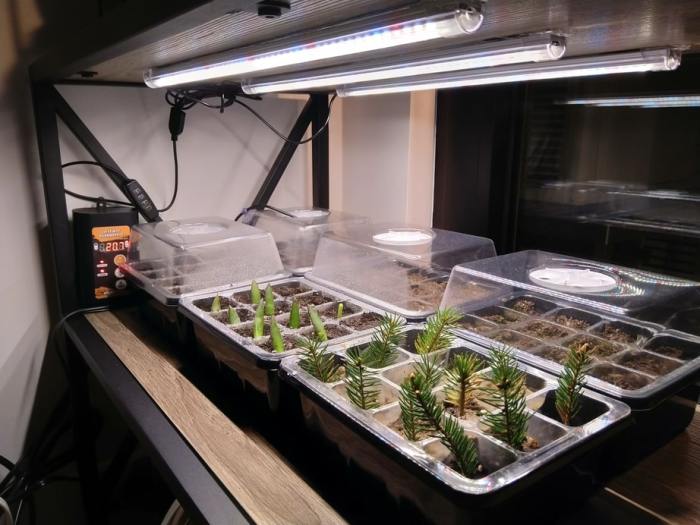
Choosing the right plants for propagation is crucial for success. Selecting appropriate species, considering their growth habits, and understanding their optimal propagation methods are key factors in maximizing the chances of successful rooting and healthy growth. Proper preparation of plant materials is equally important, as it significantly impacts the overall propagation process. Sanitation and sterilization techniques play a critical role in preventing disease and ensuring healthy plant growth.
Criteria for Selecting Suitable Plants
The selection of suitable plants for propagation depends on several factors. Consider the plant’s growth habit, including its vigor, rate of growth, and overall health. The plant’s hardiness and adaptability to the local climate and growing conditions are essential factors to consider. Additionally, the plant’s potential for propagation via different methods (e.g., cuttings, layering, or grafting) needs to be assessed.
The plant’s existing genetic characteristics are also important for ensuring desirable traits in the propagated offspring. Ultimately, the selection process prioritizes plants with high propagation potential, resilience, and desirable traits for successful propagation and future growth.
Methods for Preparing Plant Materials
Proper preparation of plant materials is vital for successful propagation. Different plant types require varying approaches. For cuttings, selecting healthy, vigorous stem segments free of diseases or pests is paramount. For root cuttings, selecting healthy, well-developed roots is crucial. Layering techniques require careful selection of the appropriate stems or branches to encourage rooting.
Grafting requires selecting compatible rootstock and scion materials with matching characteristics. Proper preparation ensures that the propagated plant material is healthy and capable of establishing itself successfully.
Importance of Sanitation and Sterilization
Sanitation and sterilization are essential steps in the preparation process. The goal is to minimize the risk of introducing pathogens that can lead to disease or decay. Using clean tools, sterilizing instruments with alcohol or heat, and maintaining a clean work environment are crucial steps to prevent contamination. Proper sanitation procedures reduce the likelihood of fungal or bacterial infections in the plant material, leading to healthier propagation outcomes.
These measures protect the plant material from potential infections, ensuring a higher success rate in the propagation process.
Comparison of Plant Species and Optimal Propagation Methods
| Plant Species | Optimal Propagation Method | Justification |
|---|---|---|
| Ficus benjamina (Weeping Fig) | Stem Cuttings | Stem cuttings are a readily available and effective method for propagating this popular houseplant. |
| Monstera deliciosa (Swiss Cheese Plant) | Stem Cuttings | Stem cuttings are highly effective for propagating this air-purifying plant. |
| Hydrangea macrophylla (Bigleaf Hydrangea) | Softwood Cuttings | Softwood cuttings are optimal for propagating hydrangeas during their active growth phase. |
| Asparagus fern | Division | Division is a suitable method for propagating asparagus fern due to its characteristic growth pattern. |
| Rose | Grafting/Layering | Grafting or layering are suitable for propagating roses to maintain desirable characteristics. |
This table provides a concise overview of optimal propagation methods for several popular plant species. Further research into specific plant varieties and their unique needs is crucial for optimal success. Selecting the appropriate method ensures the plant material is well-suited for propagation.
Propagation Station Design and Layout

Optimizing the layout of a propagation station is critical for efficient plant growth and high survival rates. Proper zoning and environmental control are key to achieving optimal conditions for various stages of propagation, from seed germination to seedling development. This structured approach allows for targeted interventions and monitoring, ultimately increasing the success rate of the propagation process.
Layout Considerations for Efficiency
Efficient propagation station design prioritizes the spatial arrangement of different propagation stages. This strategic layout ensures optimal resource utilization, minimizes cross-contamination, and promotes uniform growth. Consideration of light, temperature, humidity, and air circulation is essential. The layout must allow for easy access and monitoring of each stage of the propagation process.
Zoning for Different Propagation Stages
A typical propagation station is divided into distinct zones to accommodate the unique needs of different plant propagation stages. This separation ensures optimal conditions for each stage, minimizing stress on the plants and maximizing success rates.
- Germination Zone: This zone focuses on providing optimal conditions for seed germination, including consistent moisture, temperature, and darkness. Specific humidity levels and temperature gradients are crucial for healthy germination. Materials like humidity domes or propagation trays with moisture retention capabilities are essential in this zone. A dark environment is often preferable for seed germination, using shaded or covered areas, or utilizing grow lights with specific wavelengths that support germination.
- Seedling Zone: This zone houses the seedlings as they transition from the germination stage to a more developed stage. Increased light exposure and controlled temperature gradients are required. The seedlings are moved to containers with better drainage and appropriate soil mixtures for further growth.
- Rooting Zone: This zone facilitates the development of roots for cuttings and other propagated materials. The rooting zone should provide a humid environment, and controlled temperature gradients are essential for optimal root development. Specialized rooting media and propagation techniques, such as mist systems or bottom watering, are used in this area.
- Hardening-Off Zone: This zone gradually acclimates the plants to outdoor conditions before transplanting. This zone allows for a controlled transition, reducing transplant shock and improving survival rates. It involves gradually increasing light exposure, reducing humidity, and adjusting temperature conditions.
Examples of Different Station Designs
The design of a propagation station can be tailored to specific plant types and propagation needs. Different species may require distinct environmental controls.
- Tropical Plants: Propagation stations for tropical plants require higher humidity levels and warmer temperatures. The design should include misting systems or humidifiers. High-intensity lighting may be needed to mimic the tropical environment.
- Succulents and Desert Plants: These plants thrive in well-drained soil and low humidity. Propagation stations for succulents should prioritize excellent drainage and limited moisture. Proper light exposure and temperature regulation are critical for success.
- Herbaceous Plants: Propagation stations for herbaceous plants can employ various techniques like stem cuttings, division, and layering. Design considerations should center around the specific needs of the chosen species.
Diagram of a Japanese Plant Propagation Station
<table border="1">
  <tr>
    <th colspan="3">Japanese Plant Propagation Station</th>
  </tr>
  <tr>
    <td width="33%"> Germination Zone<br> (Dark, Consistent Moisture)</td>
    <td width="33%"> Seedling Zone<br> (Increased Light, Controlled Temp)</td>
    <td width="33%"> Rooting Zone<br> (High Humidity, Controlled Temp)</td>
  </tr>
  <tr>
    <td colspan="3" align="center"> Hardening-Off Zone<br> (Gradual Acclimation to Outdoor Conditions)</td>
  </tr>
</table>
Note: This diagram represents a basic layout. Specific designs may vary based on the scale of the propagation station and the types of plants being propagated.
Traditional Knowledge and Practices
Japanese plant propagation boasts a rich tapestry woven from centuries of tradition. Deeply rooted in the country’s aesthetic sensibilities and agricultural practices, these methods often prioritize sustainability and harmonious integration with nature. This knowledge, passed down through generations, provides invaluable insights into maintaining healthy plant populations and preserving biodiversity.Traditional wisdom in Japanese plant propagation is crucial for its sustainability.
By understanding and respecting the natural rhythms of growth and adaptation, these practices ensure the long-term health and resilience of plant communities. The cultural significance of these methods lies in their embodiment of respect for nature, and the careful balance between human intervention and the natural world.
Historical Overview of Japanese Plant Propagation
For centuries, Japanese gardeners and farmers have developed sophisticated techniques for propagating various plants, often with meticulous attention to detail. This knowledge wasn’t simply about replication; it was deeply intertwined with cultural values, aesthetic appreciation, and the pursuit of harmony with nature. Historically, the focus was on adaptability, resilience, and preserving the unique characteristics of indigenous plant species.
Traditional Plant Propagation Techniques
Numerous techniques have been developed and refined over time. These methods are often adapted to the specific characteristics of the plant being propagated. The aim is not just to produce new plants but also to maintain the desirable traits and genetic diversity of the original stock.
- Cuttings: A common practice, cuttings involve taking a piece of a plant and encouraging it to root and grow into a new individual. Different types of cuttings, such as stem cuttings, leaf cuttings, and tip cuttings, are used based on the specific plant species and desired outcome. For example, meticulous care is taken to ensure the proper rooting environment for woody species.
The environment and timing of the cutting process are meticulously controlled to promote successful propagation.
- Layering: This method involves bending a branch of a plant to the ground, covering a portion of it with soil, and encouraging root formation. Once the roots develop, the layered stem is severed from the parent plant, creating a new independent plant. Layering is particularly useful for propagating plants that are difficult to root from cuttings or those that benefit from early root development.
The specific layering method used depends on the plant’s characteristics. For instance, some plants might need a specific amount of soil cover for effective root growth.
- Grafting: This intricate technique involves joining parts of different plants together to create a hybrid plant. A scion (a small piece of the desired plant) is grafted onto a rootstock (the plant providing the root system). This method is frequently used to improve the fruit or flower yield, or to combine desirable traits from different varieties. Grafting requires a precise and delicate approach, ensuring the union between the scion and rootstock heals properly.
The compatibility between the scion and rootstock is carefully considered.
- Division: This method involves dividing a mature plant into smaller sections, each containing a portion of the root system. Each division is then planted to grow into a new individual. This technique is often used for herbaceous perennials or plants with a well-developed root system, enabling efficient multiplication of the desired plant while maintaining its characteristics. The method ensures that the division contains enough roots to ensure proper growth and survival.
Cultural Significance in Japanese Society
Traditional plant propagation methods in Japan are deeply ingrained in the country’s cultural fabric. These practices represent a profound respect for nature and a long-standing connection to the land. The emphasis on meticulous care and the preservation of unique plant varieties reflect a strong appreciation for biodiversity and the beauty of the natural world. The intricate artistry of these methods often extends beyond mere utility, incorporating aesthetic elements and symbolic meanings.
The careful consideration given to these practices demonstrates a harmonious approach to human interaction with nature.
Modern Applications and Adaptations
Japanese plant propagation stations, steeped in centuries of tradition, are now embracing modern technologies to enhance efficiency, expand reach, and optimize outcomes. This evolution allows for the adaptation of these practices to diverse climates, opening new avenues for commercial scale propagation and research. Data-driven insights are increasingly critical to understanding and improving propagation success rates.Technological integration, from automated watering systems to precise temperature control, is transforming the traditional model, allowing for consistent and controlled environments that previously were difficult to maintain.
This enhanced consistency is not only crucial for optimal growth but also for producing more uniform plant material, which is vital for commercial applications.
Integrating Modern Technologies
Japanese propagation stations are now increasingly incorporating automation and data collection technologies. Automated systems for watering, nutrient delivery, and environmental control offer significant advantages over manual methods, allowing for greater precision and consistency. For instance, sensors monitoring light intensity, humidity, and temperature can provide real-time data, allowing for precise adjustments to the growing environment. This data-driven approach can lead to significant improvements in propagation success rates.
Furthermore, digital platforms can track the entire propagation process, from seed germination to seedling development, enabling detailed records for future analysis and optimization.
Adapting to Different Climates and Environments
Japanese propagation techniques are highly adaptable. The use of climate-controlled environments, such as greenhouses with adjustable temperature and humidity, allows for the propagation of plants that would not thrive in less controlled conditions. For example, these methods are increasingly crucial for cultivating tropical and subtropical species in temperate regions. Likewise, the principles of controlled environments can be adapted for vertical farming applications, optimizing space usage and resource efficiency.
Hydroponics and aeroponics, techniques not traditionally associated with Japanese methods, can be integrated for improved nutrient uptake and water usage.
Scaling Up Propagation Methods for Commercial Use
The scalability of propagation techniques is a key factor in their commercial application. Traditional methods, while effective for small-scale operations, often face challenges when expanding production. Automation and standardization of procedures are crucial in scaling up. For instance, automated propagation systems allow for higher planting densities, resulting in faster propagation cycles and increased output. This increase in output, coupled with consistent quality, makes Japanese propagation methods highly attractive for large-scale commercial growers.
Data Collection and Analysis for Improved Outcomes
Data collection and analysis are becoming increasingly important for optimizing propagation success. Collecting detailed information on environmental factors, plant growth stages, and propagation outcomes allows for the identification of critical factors influencing success. For example, using statistical analysis of data gathered over multiple propagation cycles allows for the identification of correlations between environmental variables and plant performance, which can inform the development of targeted interventions to enhance outcomes.
By monitoring and analyzing data, propagation stations can identify areas for improvement and tailor propagation techniques to specific plant species and environmental conditions.
End of Discussion
In conclusion, Japanese plant propagation stations represent a remarkable blend of tradition and innovation. Their careful design, coupled with the meticulous techniques employed, underscore a deep understanding of plant biology and environmental factors. The sustainable practices employed within these stations offer valuable insights into preserving biodiversity and promoting ecological harmony, while also suggesting exciting potential for modern horticultural advancements.
